Neuropathy Symptoms in Raynham, MA
At our Raynham, MA clinic
Regenerative Medicine of Raynham provides evaluation and advanced biologic support options for patients with neuropathy-like symptoms, peripheral nerve dysfunction, and neuropraxic nerve injuries.
Peripheral neuropathy is a medical condition resulting from damage or dysfunction of the peripheral nerves — the wiring that carries sensation, movement, and autonomic signals between the brain and the rest of the body. Not all 'neuropathy' is the same disease. Diabetic, chemotherapy-induced, compressive, and idiopathic neuropathy each require a different treatment strategy. Successful care identifies the specific driver, treats the reversible ones, and supports nerve recovery where possible.
From Dr. Petrie
Understanding neuropathy and your options.
Dr. Brian Petrie explains how peripheral neuropathy develops and what to consider when looking for lasting relief.
Patient testimonial
Hear from a neuropathy patient in their own words.
Understanding neuropathy
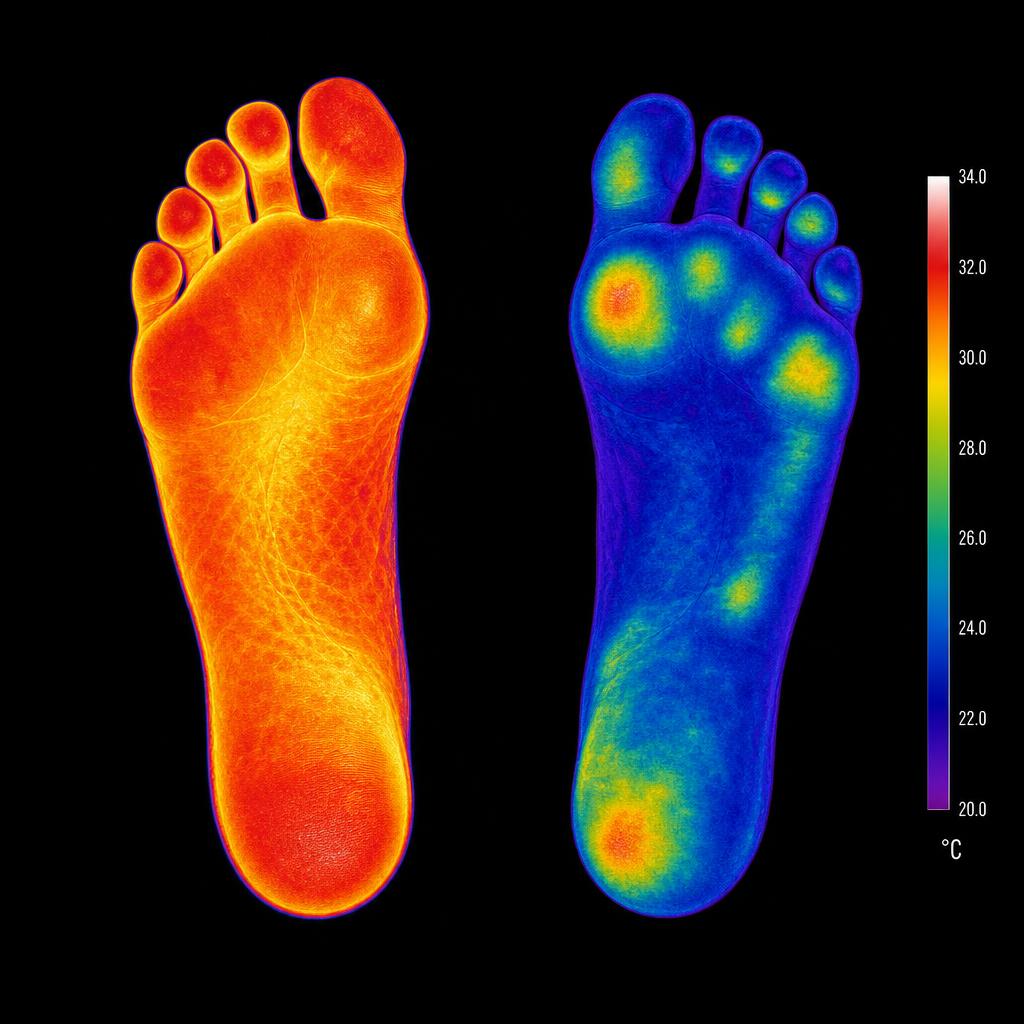
Damaged peripheral nerves — often treatable when caught early.
Peripheral neuropathy develops when the small nerves in the hands and feet are damaged by diabetes, chemotherapy, mechanical compression, or reduced blood flow. The protective myelin sheath breaks down, and nerves misfire — producing burning, tingling, numbness, and balance problems. At Regenerative Medicine of Raynham, we work to improve the environment around the nerve using laser therapy, electrical stimulation, nutritional support, and — when appropriate — regenerative biologics, giving the nerve its best chance to recover.
Quick summary
What you'll learn
- The four main types of nerve pain and why they need different treatment
- Why B-vitamins and gabapentin alone rarely reverse neuropathy
- How laser therapy, PEMF, and metabolic support can restore nerve function
- Which lab markers actually predict nerve recovery
- What a realistic outcome looks like — early, moderate, and advanced cases
- When neuropathy is reversible and when it can only be stabilized
Understanding neuropathy
Advanced regenerative nerve care in Raynham, MA
Regenerative Medicine of Raynham provides evaluation and advanced biologic support options for patients with neuropathy-like symptoms, peripheral nerve dysfunction, and neuropraxic nerve injuries.
If you are experiencing numbness, tingling, burning, or nerve discomfort in your feet, legs, or hands, you may have been told you have “neuropathy.” Not all neuropathy symptoms come from the same cause — and not all nerve problems require a drug-only approach.
We specialize in identifying neuropraxic nerve injuries and collagen-based peripheral nerve defects and offering regenerative biologic support strategies.
Call to schedule your nerve function evaluationDo you have these symptoms?
Common neuropathy symptoms we see in Raynham.
Many patients come to our Raynham clinic searching for neuropathy help because they are experiencing one or more of the following. These symptoms are often labeled as neuropathy — but the underlying cause may vary.
- Foot numbness
- Burning feet or legs
- Tingling in toes or fingers
- Electric shock sensations
- Reduced sensation
- Balance difficulty
- Nerve sensitivity
- Pins and needles feelings
- Cold or hot sensation changes
Not all “neuropathy” is the same
Neuropathy is a broad disease label.
In many patients, symptoms may instead be related to a specific, addressable nerve mechanism. This distinction matters because different nerve problems require different care strategies.
Peripheral Neuropathy
Nerve pain in your arms and legs
The most common form. Nerves carrying signals between the brain, spinal cord and the limbs stop working correctly, producing numbness, pins-and-needles, or burning pain in the hands, feet, and legs. Over time muscles weaken, fine motor tasks like buttoning clothes become difficult, and walking may require support. Advanced cases lose protective sensation to heat and sharp objects.
Autonomic Neuropathy
Nerve damage affecting automatic body functions
Affects the nerves that regulate heartbeat, digestion, bladder function, and sweating. Symptoms include dizziness on standing, constipation or early fullness, bladder-control issues, sexual dysfunction, and abnormal sweating that make heat or exercise poorly tolerated.
Focal Neuropathy
Nerve pain in a specific area
Damage isolated to a single nerve or nerve group. Examples include carpal tunnel syndrome (numb, weak hand) and Bell's palsy (one-sided facial droop). Onset is often sudden, with sharp pain or specific muscle weakness depending on the nerve involved.
Compression Neuropathy
Nerve pain from a pinched nerve
A nerve is mechanically compressed by injury, repetitive motion, or anatomy — as in carpal tunnel or sciatica. Pain radiates from the compression site and is frequently paired with numbness and muscle weakness downstream.
Nerve mechanisms we evaluate
- Peripheral nerve compression
- Focal nerve entrapment
- Neuropraxic nerve injury
- Structural nerve insulation changes
- Collagen scaffold defects around nerves
- Local nerve conduction slowdown
Understanding neuropraxic nerve injury
Peripheral nerves are built like insulated electrical cables.
The outer protective layer contains collagen-rich structural tissue that supports nerve signaling. When this layer becomes irritated, compressed, or structurally compromised, patients may experience:
- Numbness
- Tingling
- Sensory loss
- Signal delay
- Conduction slowing
This is often called a neuropraxic deficit — a functional nerve signaling disturbance without full nerve degeneration. Our clinic focuses on identifying these functional nerve deficits and neuropraxic patterns, not just assigning a disease label.
Why this distinction matters
A neuropraxic pattern is one of the most treatable nerve presentations we see because the nerve itself has not fully degenerated. When the structural environment around the nerve is supported, signaling can improve — and symptoms often follow.
Objective testing
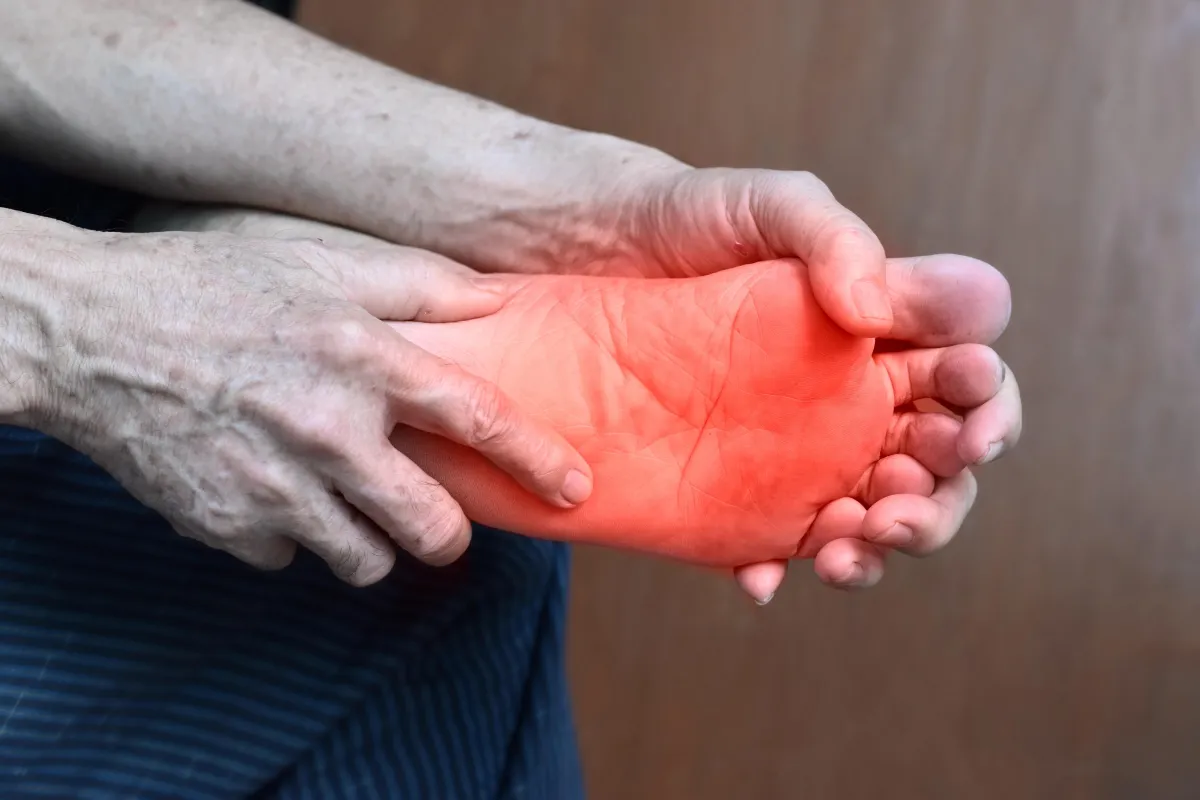
Objective nerve testing, not guesswork.
At Regenerative Medicine of Raynham, we emphasize objective measurement. The tests help determine whether symptoms may be related to focal nerve dysfunction rather than generalized disease alone.
- Monofilament sensory testing
- Peripheral nerve compression mapping
- Functional nerve distribution exams
- Entrapment site evaluation
Our approach
Our regenerative biologic approach to peripheral nerve support.
For appropriate candidates with neuropraxic patterns or collagen-based nerve interface deficits, we may discuss biologic support applications. These are not drug treatments and are not represented as cures for neuropathy disease. They are regenerative support strategies for specific nerve injury patterns.
How biologic support is designed to help
- Support the structural environment around nerves
- Provide collagen-rich biologic matrices
- Assist the nerve support interface
- Address focal nerve compression zones
- Support peripheral nerve function conditions
Important context
Applications are placed around the nerve, not inside the nerve, using carefully placed biologic materials. A full evaluation is required before any recommendations are made.
Compression sites
Common peripheral nerve compression sites we evaluate.
Many neuropathy-like symptoms arise at predictable nerve compression regions. Identifying the exact location of nerve dysfunction improves care precision.
- Fibular head nerve region
- Tarsal tunnel nerve region
- Carpal tunnel nerve region
- Ulnar nerve elbow region
- Ankle nerve tunnels
- Lower leg nerve pathways
Drug-only care vs. our model
How this differs from drug-only neuropathy care.
Traditional neuropathy care often focuses on medication for symptom control. Both models can play roles — but they are not the same approach.
Drug-only model
- Symptom suppression
- Systemic medication
- Sedating side effects possible
- General disease labeling
Regenerative evaluation model
- Local biologic support options
- Focus on neuropraxic deficits
- Functional nerve measurement
- Site-specific compression mapping
Who is a candidate?
Who may be a candidate for regenerative nerve biologic care?
You may be a candidate if you have the following patterns. A full evaluation is required before any recommendations are made.
- Neuropathy symptoms with focal distribution
- Numbness near known compression sites
- Early nerve conduction changes
- Sensory testing abnormalities
- Failed medication tolerance
- Persistent tingling despite standard care
- Localized nerve symptoms
Service area
Neuropathy & nerve care in Raynham, Massachusetts.
Regenerative Medicine of Raynham serves patients from across Southeastern Massachusetts. We provide regenerative nerve evaluations and biologic support procedures for qualifying patients.
Therapies we may recommend
Advanced, state-of-the-art therapies for lasting relief.
Neuropathy Support Program
A multi-modal program to address the underlying drivers of nerve pain.
ExploreLaser Therapy
Class IV photobiomodulation to reduce pain and accelerate tissue healing.
ExplorePEMF Therapy
Pulsed electromagnetic field therapy to support cellular repair and reduce pain.
ExploreLab Testing
Comprehensive lab panels to surface metabolic, hormonal, and nutritional drivers.
ExploreCondition-specific answers
Questions about neuropathy
Answers to what patients most often ask about neuropathy and how we approach it. Don't see yours? Call us — we're happy to talk it through.
Honest answers
Common questions about regenerative medicine
The broader questions patients ask before scheduling — efficacy, safety, candidacy, longevity, and cost. Answered openly.
Go deeper
Still have doubts about regenerative medicine?
Read our full honest answer — including why most doctors don't offer it, how it compares to surgery and cortisone, and why patients choose us.
Serving southeastern Massachusetts
Nearby towns we serve for neuropathy.
Patients travel to our Raynham office from across Bristol, Plymouth, and Norfolk counties. Get directions and local details for your town below.
Raynham, MA
0–5 min from our Raynham office via South Street West / Route 138
Taunton, MA
10–15 min from our Raynham office via Route 138 north or Route 44 west
Bridgewater, MA
10–15 min from our Raynham office via Route 104 east / Route 24
Middleborough, MA
15–25 min from our Raynham office via Route 44 west or Route 105 to Route 44
Easton, MA
15–20 min from our Raynham office via Route 138 north or Route 106
Ready to start?
Talk to us about your neuropathy
Talk through your goals, your imaging, and what regenerative medicine can — and can't — do for you. Honest answers, no pressure.