
Cranial Facial Release (CFR)
Available at our Raynham, MA clinic
Endo-nasal balloon technique to mobilize cranial bones and open the nasal airway.
CFR is a specialized technique that gently mobilizes the cranial bones and opens the nasal airway using a small inflatable balloon, improving breathing, sleep, and head pressure.
In depth
What Cranial Facial Release (CFR) actually does.
Cranial Facial Release (CFR) is a specialized technique that gently mobilizes the cranial bones and opens the nasal airway using a small, purpose-built balloon inserted briefly into the nasal cavity. The balloon is inflated for a fraction of a second and then removed. It sounds intense — and the pressure is intense for a few seconds — but the effects are often immediate: patients breathe more freely, feel lighter through the face and head, and sleep better within days.
Dr. Petrie is a certified CFR practitioner and one of a small number of providers in Southeastern Massachusetts trained to deliver it. The technique traces its roots to bilateral nasal specific technique and craniopathy, refined over decades into the modern CFR protocol.
It is not a substitute for ENT surgery in every case — but for many patients, four consecutive days of CFR opens the airway enough that surgery becomes unnecessary or postponed indefinitely.
How it works
A clear, step-by-step process.
- 1Comprehensive cranial and breathing exam
- 2Intervention sessions on 4 consecutive days
- 3Reassessment of breathing, sleep, and symptoms
- 4Maintenance schedule based on response
What it's used for
The specific problems Cranial Facial Release (CFR) solves for our patients.
Chronic nasal congestion and mouth breathing
When you cannot remember the last time both sides of your nose were open.
Sleep apnea and snoring
In selected cases where nasal airway restriction is a driver.
Chronic headaches and head pressure
Especially frontal, sinus, and behind-the-eye pain that resists ordinary treatment.
Post-concussion symptoms
Persistent pressure, fog, or nasal changes after head injury.
Brain fog and focus issues
When airway restriction is contributing to poor oxygenation and disrupted sleep.
Why patients choose it
- Non-surgical, in-office, no anesthesia
- Immediate breathing changes reported by most patients
- Often complements — or replaces — ENT and CPAP interventions
- Delivered by a certified CFR practitioner
- Structured 4-day protocol with clear reassessment
Evidence & mechanism
CFR is grounded in cranial anatomy and the well-documented mobility of the cranial sutures. Case series and clinician reports have documented improvements in nasal airflow, sleep quality, and headache burden after CFR protocols. It is not a first-line therapy for structural nasal deformities that require surgery — we identify those cases and refer appropriately.
Who is a good candidate
Patients with chronic nasal congestion, snoring, mild-to-moderate sleep apnea, chronic headache, or post-concussion symptoms are typical candidates. Contraindications include recent facial surgery, certain sinus conditions, and specific bleeding disorders — we screen carefully before starting.
Patients breathe on day one.
The most common comment we hear after the first CFR session is 'I didn't know it was supposed to feel like this.' Over the four-day protocol, improvements typically deepen — better sleep, quieter breathing, less head pressure, clearer thinking. Many patients return periodically for maintenance.
“I've had a CPAP for six years and hated it. After four days of CFR my sleep study numbers dropped enough that I'm off it — with my sleep doctor's sign-off.”
What to expect
Each release lasts seconds and feels like firm pressure. Most patients notice immediate breathing changes.
Conditions it may help
Cranial Facial Release
Transformative, non-surgical care for the airway, cranium, and nervous system.
Cranial Facial Release (CFR) is an advanced endonasal cranial technique used to mobilize the bones of the face and skull. Tiny medical balloons are placed briefly in the nasal passages and inflated for two to three seconds. That brief release restores movement to fixated cranial bones, opens breathing pathways, and supports healthy cerebrospinal fluid flow around the brain, cerebellum, and pituitary gland.
Cranial fixations are far more common than most patients realize. Birth trauma, head injuries, whiplash, and repeated concussions can lock the skull bones out of their normal rhythmic motion. Because the sphenoid bone cradles the pituitary — the body's master gland — restoring its mobility can have far-reaching effects on the nervous and endocrine systems, sleep, focus, and pain.
Dr. Petrie on CFR
Why we brought CFR to Raynham.
Conditions that respond to CFR
CFR is often considered when other therapies have not worked.
CFR does not treat named diseases directly. Instead it addresses the underlying cranial dysfunction that can drive symptoms across several body systems. Patients most commonly seek CFR for:
What to expect
What can I expect in a treatment?
CFR treatments are performed over a series of sessions, typically five treatments within 7–10 days. Most patients require 3–4 series (12–15 treatments) to experience the full benefits, with results improving exponentially as the series progresses. While some may feel slight pressure during the procedure, the experience is quick and well-tolerated.
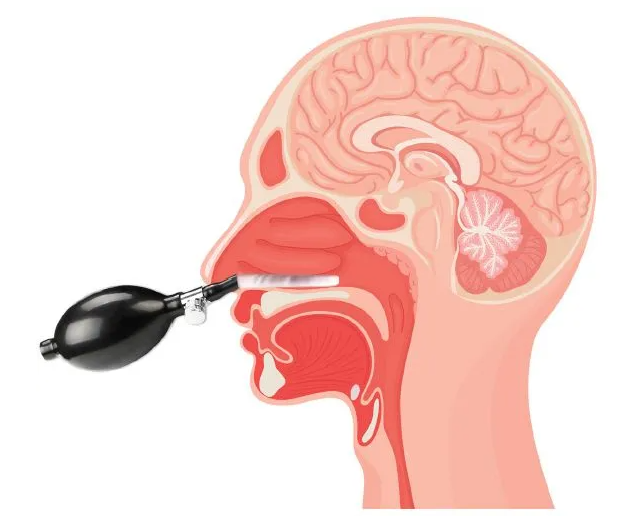
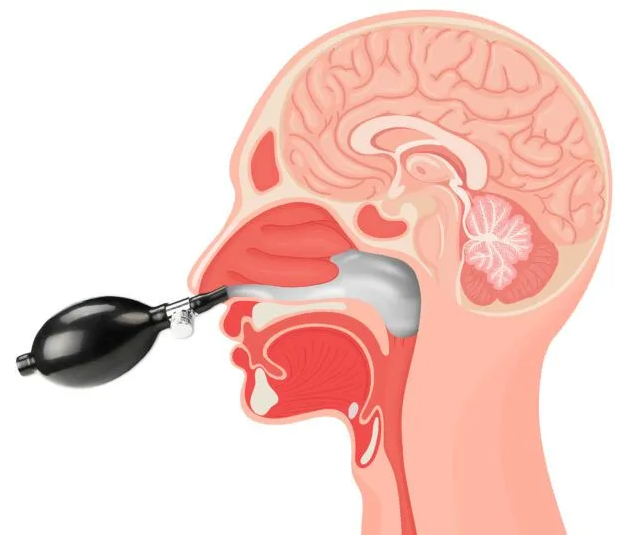
Care is delivered as a structured series and we reassess after each round, only recommending the next series if it is clinically warranted.
Patient stories
Hear from CFR patients in their own words.
Why CFR
A holistic approach for patients who feel out of options.
For many patients, CFR is considered after other approaches have not delivered lasting change. It addresses root cranial dysfunction rather than only masking symptoms, and it can be used proactively as a wellness protocol to support cerebrospinal fluid flow, cranial alignment, and long-term neurological health. Whether you are dealing with chronic sinus pressure, breathing problems, headaches, or lingering post-concussion symptoms, CFR may be the missing piece.
Honest answers
Cranial Facial Release (CFR): questions we hear most
Quick, honest answers to what patients ask most. Don't see yours? Call us — we're happy to talk it through.
Ready to start?
Talk to us about Cranial Facial Release (CFR)
Talk through your goals, your imaging, and what regenerative medicine can — and can't — do for you. Honest answers, no pressure.